
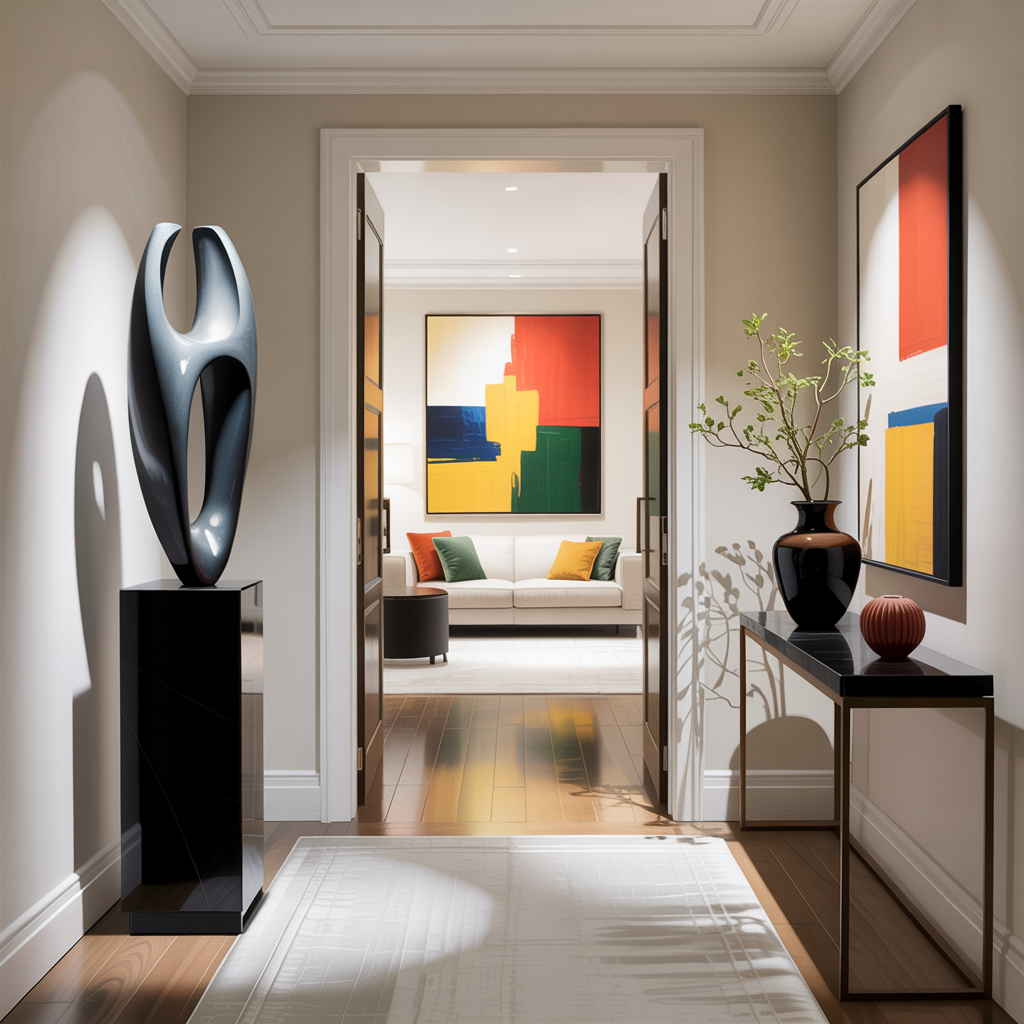

A. Investment Pieces vs. Budget-Friendly Alternatives
You don’t need to drain your bank account for a magazine-worthy modern interior design. The secret? Knowing where to splurge and where to save.
High-quality sofas and beds are worth the investment because you’ll use them daily for years. A well-made sofa in a neutral tone gives you flexibility while standing up to wear and tear. Meanwhile, that $3,000 accent chair? Skip it and find a similar silhouette at Target or Article for a fraction of the price.
Lighting is another smart investment area. A statement pendant or floor lamp instantly elevates your space. But decorative objects? Hit up H&M Home, Zara Home, or even TikTok’s favorite Dollar Tree hacks for budget-friendly accessories that pack a design punch.
Check out this strategic spending breakdown:
| Worth the Splurge | Save Your Cash |
|---|---|
| Sofa/Sectional | Decorative Pillows |
| Mattress | Side Tables |
| Statement Lighting | Decorative Objects |
| Quality Rug | Trendy Accent Pieces |
| Dining Table | Artwork (DIY or prints) |
Many high-end retailers now offer budget lines—CB2 instead of Crate & Barrel, or West Elm’s sale section. And don’t sleep on Facebook Marketplace or Nextdoor for barely-used designer pieces at steep discounts.
The modern aesthetic actually works well with budget constraints because it emphasizes clean lines and minimal ornamentation. You don’t need tons of stuff—just thoughtfully selected pieces that work together.
B. DIY Projects That Elevate Your Space
Nothing says “I’ve got style” like custom touches that didn’t cost a fortune. DIY projects let you add personalized modern elements without the custom price tag.
Wall treatments make massive impact for minimal investment. Try a geometric accent wall using painter’s tape and two paint colors. Or create dimension with a simple board and batten treatment using inexpensive lumber from your local hardware store.
Furniture makeovers are gold mines for modern design on a budget. That outdated wooden dresser? Sand it down, add matte black paint and sleek brass handles for an instant modern transformation. Basic IKEA pieces become custom-looking gems with a few tweaks—try adding cane webbing to cabinet doors or replacing standard legs with hairpin ones.
Even the most basic DIY skills can yield impressive results:
- Transform plain curtains with a dip-dye technique
- Create abstract art with a canvas and leftover paint
- Update lamp bases with textured spray paint
- Make floating shelves from inexpensive lumber
- Craft a statement mirror with rope or wooden dowels
The internet is bursting with tutorials, but start small. Pick projects that match your skill level and time constraints. Nothing ruins a budget DIY faster than abandoning it halfway through or having to hire someone to fix your mistakes.

C. Vintage and Upcycled Elements in Modern Design
Modern design isn’t just about new, shiny things. Incorporating vintage pieces adds soul, character, and sustainability to contemporary spaces—often at bargain prices.
Mid-century furniture works beautifully in modern interiors because the clean lines and organic forms play well with today’s aesthetics. Hunt for authentic pieces at estate sales and thrift stores, where you might score that perfect Eames-inspired chair or teak credenza for pennies on the dollar.
The contrast between old and new creates visual interest. A sleek, minimalist space suddenly has a story when you add a weathered wooden bench or vintage brass lamp. These juxtapositions feel intentional, not like you couldn’t afford to furnish your entire home with new pieces.
Some vintage items that mesh perfectly with modern design:
- Mid-century case goods (credenzas, dressers)
- Vintage rugs (especially overdyed or worn Persian styles)
- Industrial lighting fixtures and hardware
- Antique mirrors with simple frames
- Art deco accessories and barware
Upcycling takes this concept further by transforming unwanted items into design features. That old ladder becomes a magazine rack, while wooden crates stack to form a modular bookshelf.
The sustainable aspect of reusing items fits perfectly with modern design’s current emphasis on environmental consciousness. Your space becomes not just stylish, but thoughtful.
D. Strategic Splurges for Maximum Impact
When your budget is tight, knowing exactly where to spend makes all the difference. Some elements deliver outsized visual impact per dollar spent.
Lighting changes everything. A statement fixture in your entryway or over your dining table becomes the room’s focal point and sets the modern tone. Even when you’re pinching pennies elsewhere, good lighting elevates the entire space.
Quality window treatments are another game-changer. Simple, floor-length curtains hung wide and high create architectural interest while making windows appear larger. Skip the flimsy sets and invest in substantial materials that hang beautifully.
Hardware is the jewelry of your home. Replacing standard cabinet pulls, doorknobs, and switch plates with modern alternatives transforms builder-grade elements instantly.
Other high-impact splurges include:
- A well-made area rug that anchors your living space
- One exceptional piece of art that speaks to you
- A quality accent chair in a bold color or interesting shape
- Statement tile for a small area like a backsplash
- High-end faucets in the kitchen and bath

Smart placement matters too. Position your investment pieces where they’ll get noticed—in entryways, at natural focal points, or in the spaces where you entertain.
The secret? These elements draw the eye and create impression zones that make everything around them look more expensive. When guests walk into your home, these strategic splurges command attention while budget-friendly basics fade into the background.


