
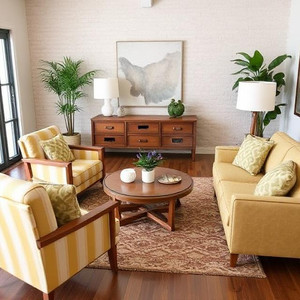
Have you ever walked into a room and felt that something was off, but couldn’t pinpoint what it was? Many homes share the same interior design mistakes that subtly affect the look and feel of a space. Fortunately, these errors are often easy and budget-friendly to correct. Here are 10 common design mistakes and practical solutions to elevate any room.
1. Hanging Curtains Too Low

One of the most common mistakes is mounting curtains directly above the window frame. This can make ceilings feel lower, the room appear smaller, and visually break up the space. The solution is simple: install curtain rods a few inches from the ceiling to elongate the height of the room. Additionally, extend the rod 6 to 12 inches beyond the window on each side so that drapes can be fully opened, enhancing natural light and making the windows appear larger. Using multiple panels or folding linen curtains can also create an elegant, layered effect.
2. Choosing an Area Rug That’s Too Small
A small area rug can disrupt the balance of a room. At minimum, the front legs of your furniture should sit on the rug. Ideally, the rug extends fully under furniture while leaving about two feet of visible flooring around the space. In bedrooms, rugs should peek out from the sides of the bed—approximately 9×12 feet for a king-size bed and 8×10 feet for a queen-size bed. If on a budget, invest in one large neutral rug and layer smaller seasonal rugs on top for variety.
3. Relying Only on Ceiling Lights
Overhead lights alone can flatten a space and make it feel cold. Instead, create layered lighting using table lamps, floor lamps, wall sconces, LED strips, or even candles. Warm bulbs around 2700K produce a cozy ambiance, while cooler lights tend to feel clinical. Layered lighting adds depth, warmth, and a more inviting atmosphere.
4. Using Matching Furniture Sets

While buying matching furniture sets might feel safe, it can make a home appear staged or showroom-like. Mix and match furniture by combining different wood tones, textures, and styles. Pair soft, comfortable pieces with more structured designs to add contrast. Even small accessories such as lamps, bedding, and décor items can add visual interest and break the monotony of uniform sets.
5. Overcrowding Surfaces
Cluttered surfaces can make a home feel suffocating. Decluttering is essential: remove items that are no longer loved or used, donate excess, and simplify collections. Once cleared, style items in groups of three or odd numbers, varying height and texture while leaving space for the eyes to rest. This creates a more intentional, curated look.
6. Using Generic Wall Art
Mass-produced prints are convenient, but personal artwork adds depth and personality. Incorporate family photos, children’s art, or vintage prints to create a unique story on your walls. Framing pieces in thrifted or antique frames enhances charm and visual interest. Art that has meaning creates a more welcoming and memorable home environment.
7. Ignoring Texture
Flat surfaces such as laminate flooring, smooth walls, or glass can make a room feel cold and lifeless. Introduce texture through woven baskets, linen or cotton throws, textured drapes, and decorative pillows. Layering different textures adds warmth and visual depth, transforming a space into a cozy, inviting environment.
8. Low or Cheap Shower Curtains

In bathrooms, a shower curtain mounted too low can shrink the perceived height of the room. Opt for fabric curtains instead of plastic, using materials like cotton waffle weave or faux linen. Raise the curtain rod closer to the ceiling and choose extra-long curtains to elevate the space visually, creating a more luxurious feel.
9. Pushing Furniture Against Walls
Positioning all furniture against the walls can make a room feel sparse or impersonal. Instead, float furniture toward the center to create conversation zones, especially in living rooms. Anchor the layout with a rug that extends under the front legs of furniture, and maintain 15–18 inches of space between tables and seating for easy movement. This arrangement encourages social interaction and a more intimate, functional layout.
10. Neglecting the Entryway
The entryway sets the tone for the entire home. A cluttered or poorly organized entry can make the space feel chaotic. Create a functional drop zone using hooks, a small shoe cabinet, or baskets for keys and small essentials. Even tiny corners can be styled for both organization and visual appeal, leaving a welcoming first impression.
Conclusion
Many interior design mistakes are subtle but have a significant impact on the feel of a space. By addressing common issues—curtain height, rug size, lighting, furniture placement, texture, and personalized décor—you can create a home that feels balanced, cozy, and visually appealing. These budget-friendly adjustments make a noticeable difference and elevate the overall atmosphere of any room.


