
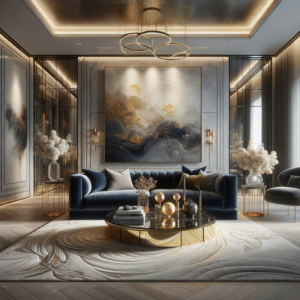
Creating a home that feels luxurious and expensive doesn’t always require a massive budget. With smart design choices, careful planning, and attention to detail, any space—small or large—can feel sophisticated, stylish, and high-end.
This guide breaks down practical tips, actionable strategies, and expert insights to help you transform your home into an elegant, functional, and luxurious living space.
1. Create Visual Interest in Every Space
Empty walls and unused corners often make a home feel bland. Creating visual interest can immediately elevate a room.
Ways to add visual interest:
- Use wall panels, wood veneer, or textured finishes on long corridors and corners.
- Introduce accent walls with travertine, marble, or decorative plaster.
- Add statement furniture, sculptures, or artwork to act as focal points.
Kitchen example: Instead of covering the entire kitchen in marble, use premium materials selectively on countertops or key areas to maintain a luxurious look without overspending. Built-in appliances, such as ovens, microwaves, and refrigerators, maximize functionality and create a polished appearance.
Visual interest also improves spatial perception, making interiors feel more open, cozy, and sophisticated.
2. Use Mirrors Strategically

Mirrors are one of the simplest ways to make a space feel larger and more elegant.
Mirror placement tips:
- Use large mirrors in key areas to create depth and amplify light.
- Avoid placing mirrors directly at entrances to prevent a cluttered or overwhelming feel.
- Choose frames and shapes that complement your interior style.
Strategically placed mirrors can also correct visual imbalances in open floor plans and make dining or living areas feel more proportionate.
3. Choose Timeless Color Schemes
Color has a huge impact on how luxurious a home feels.
Tips for timeless color schemes:
- Stick to 2–3 complementary colors.
- Monochromatic palettes with varying shades create depth and elegance.
- Coordinate furniture, rugs, and decor to match your main palette.
Common mistakes: Mixing too many color schemes or design concepts in a single space. Always plan your color palette and mood board before purchasing furniture or decor.
A cohesive color scheme instantly elevates a home and creates a sophisticated, expensive look.
4. Layer Your Lighting

Lighting can transform any room. The right combination of natural and artificial lighting can make spaces appear larger, warmer, and more luxurious.
Lighting strategies for luxury interiors:
- Combine overhead, task, and accent lighting.
- Use diffused light troughs or hidden lighting for a soft, ambient glow.
- Spotlights highlight artwork, furniture, and architectural features.
- Feature ceilings with uplighting add depth and warmth to living areas.
Even small apartments can feel high-end with layered lighting that highlights textures and spatial features.
5. Personalize Your Home
Luxury is not just aesthetics—it’s about functionality and lifestyle.
Ways to personalize effectively:
- Convert extra rooms into functional spaces like private studies or mini theaters.
- Avoid filling rooms with furniture just because space is available.
- Design multi-functional areas for everyday living or entertaining.
A home designed around lifestyle and purpose feels more luxurious and practical. Every corner should serve a purpose, enhancing both comfort and style.
6. Maximize Kitchen Design
The kitchen is often the centerpiece of a home. A stylish and functional kitchen immediately elevates a space.
Luxury kitchen tips:
- Use high-quality materials selectively, like travertine or marble accents.
- Incorporate built-in appliances for a seamless look.
- Optimize storage with custom cabinetry.
- Balance functionality with aesthetics—avoid overcrowding counters.
Even compact kitchens can look expensive with careful material selection, smart layouts, and efficient storage.
7. Use Durable, High-Quality Materials
Luxury interiors rely on materials that are both beautiful and long-lasting.
Examples of premium materials:
- Natural or engineered wood with visible grain
- Stone finishes like marble, granite, or travertine
- High-quality metals for fixtures and hardware
- Rich fabrics for upholstery, curtains, and rugs
Durable materials convey sophistication and ensure your home maintains its luxurious feel over time.
8. Make Every Space Purposeful

Luxury homes are designed for function as well as aesthetics. Every corner should have a defined purpose.
Ideas for purposeful spaces:
- Home office or study nooks
- Mini-theaters or media rooms
- Multi-functional living areas
- Outdoor terraces or balconies for relaxation
Functional spaces not only enhance daily living but also elevate the perceived value and luxury of your home.
9. Focus on Layout and Flow
A luxurious home feels easy to navigate. Thoughtful layouts improve usability and create a sense of spaciousness.
Layout tips:
- Open floor plans connect living, dining, and kitchen areas seamlessly.
- Ensure clear pathways for smooth movement.
- Position furniture to encourage social interaction and comfort.
- Consider sightlines and focal points for a balanced look.
Good flow makes your home feel larger and more elegant while ensuring every room functions effectively.
10. Add Strategic Accents
Luxury is often in the details. Carefully chosen accents can add depth and visual appeal without overwhelming a space.
Accent ideas:
- Statement mirrors, lighting fixtures, or chandeliers
- Custom cabinetry with fine hardware
- Curated artwork or sculptures
- Metallic finishes or high-end textures
Well-placed accents give your home personality, style, and a high-end finish.
11. Combine Function with Style
Luxury is not only about appearance. Functional, practical spaces make daily life comfortable and add real value.
Examples:
- Incorporate smart storage in bedrooms and kitchens
- Ensure outdoor areas serve leisure or entertainment purposes
- Adapt spaces to fit family lifestyle and daily routines
Functional spaces that are also beautiful are the hallmark of true luxury.
12. Pay Attention to Scale and Proportion
Using furniture and décor in appropriate scales is crucial. Oversized or undersized pieces can make a space feel awkward or cheap.
Tips:
- Match furniture scale to room size
- Use rugs, curtains, and art to balance proportions
- Ensure seating areas are comfortable but not overcrowded
Proper scale and proportion create harmony and contribute to a high-end feel.
13. Incorporate Nature and Views

Luxury spaces often integrate natural light, greenery, or outdoor views.
Ways to do this:
- Install large windows for natural light and panoramic views
- Include indoor plants for texture and color
- Design balconies or terraces for relaxation and scenery
Connection to nature adds serenity, sophistication, and a sense of wealth to interiors.
14. Optimize Storage and Organization
Clutter-free spaces always look more expensive. Luxury homes incorporate smart storage solutions.
Storage tips:
- Built-in cabinets and closets for seamless organization
- Hidden storage in multifunctional furniture
- Thoughtful placement to maintain clean sightlines
Organized spaces feel calm, expansive, and intentional—key indicators of luxury.
15. Use Subtle Luxury, Not Excess
High-end interiors don’t rely on extravagance. Subtle, refined details create an expensive feel.
Examples:
- Minimalistic décor with quality finishes
- Carefully chosen accessories rather than clutter
- Focus on textures, lighting, and functional elegance
Subtlety ensures longevity of style and maintains sophistication over trends.
Conclusion
Making a home look expensive is about strategy, not spending. By creating visual interest, using mirrors wisely, selecting timeless color schemes, layering lighting, personalizing spaces, choosing high-quality materials, designing purposeful layouts, and adding strategic accents, any home can achieve a luxurious and high-end feel.
Luxury is in the details, cohesion, and intentionality. With these 15 expert tips, you can transform ordinary spaces into interiors that are stylish, functional, and undeniably elegant. Every corner should serve a purpose, every material should feel premium, and every design choice should enhance the overall aesthetic.


