
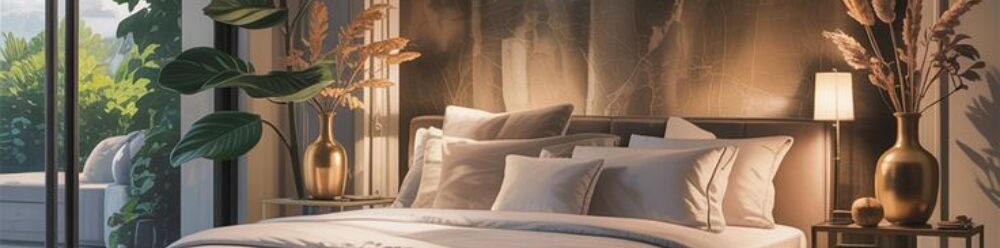
Transforming your living space into a stylish sanctuary is easier than you think. Contemporary interior design is all about embracing elegance and modernity, creating a haven that reflects your personal style.

With the rise of modern home design ideas, it’s become increasingly popular to incorporate contemporary style into our homes. This design aesthetic is characterized by clean lines, minimal ornamentation, and an emphasis on functionality.
By incorporating these elements, you can create a space that is both beautiful and functional. In this article, we’ll explore 10 contemporary interior design ideas to help you elevate your home.
Key Takeaways
- Understand the principles of contemporary interior design
- Learn how to incorporate modern home design ideas into your space
- Discover the benefits of adopting a contemporary style in your home
- Explore 10 practical design ideas to elevate your living space
- Create a stylish and functional sanctuary that reflects your personal taste
What Makes Contemporary Interior Design Unique
In the realm of interior design, contemporary style stands out for its blend of timeless sophistication and fresh aesthetics. Emerging in the late 20th century, contemporary interior design merges classic craftsmanship with modern innovation, creating a unique and captivating living space.
The Evolution of Contemporary Style
Contemporary interior design has evolved significantly over the years, influenced by various cultural and technological advancements. It is characterized by a continuous adaptation to new trends, materials, and technologies, making it a dynamic and ever-changing field.
Key Characteristics That Define Contemporary Spaces
Contemporary spaces are defined by several key characteristics, including clean lines, minimal ornamentation, and an emphasis on functionality. These elements work together to create a sense of openness and simplicity.

| Characteristics | Description |
|---|---|
| Clean Lines | Minimal use of intricate patterns or excessive decorations |
| Minimal Ornamentation | Focus on simplicity and functionality |
| Functionality | Emphasis on usability and practicality |
By understanding these core elements, homeowners can create a contemporary interior design that is both beautiful and functional.
Contemporary Interior Design: Blending Sophistication with Modernity
The essence of contemporary interior design lies in its ability to merge modernity with elegance, creating spaces that are both functional and aesthetically pleasing. This design philosophy is rooted in the idea of challenging traditional norms while embracing the latest trends and technologies.
The Philosophy Behind Contemporary Design
Contemporary design is guided by a philosophy that values simplicity, clean lines, and minimal ornamentation. It’s about creating a sense of openness and fluidity within a space, often achieved through the use of open floor plans and an emphasis on natural light. This approach not only enhances the aesthetic appeal of a home but also improves its functionality.

How Contemporary Differs from Modern and Traditional Styles
Unlike modern design, which is often associated with a specific era (mid-20th century), contemporary design is ever-evolving, incorporating the latest modern interior design trends 2025. It’s more fluid and adaptable, making it distinct from traditional styles that often adhere to historical design principles. Contemporary home decor, for instance, might include a mix of materials and textures, such as wood, metal, and glass, to create a unique and personalized space.
In summary, contemporary interior design is characterized by its blend of sophistication and modernity, making it a popular choice for those looking to create a stylish yet functional living space.
Design Idea 1: Embrace Minimalism and Clean Lines
Minimalist interior design is not just about removing clutter; it’s an art form that celebrates clean lines and functionality. By embracing minimalism, you can create a serene and stylish living space that is both modern and inviting.
Decluttering Your Living Areas
The first step in embracing minimalism is decluttering your living areas. Remove any unnecessary items that do not serve a functional or aesthetic purpose. This process not only frees up physical space but also clears your mind.
Focusing on Essential Elements and Functionality
Once decluttered, focus on the essential elements that bring functionality and beauty to your space. Multifunctional furniture ideas can play a significant role here. For instance, a storage ottoman can serve as both a seat and a storage unit.

| Furniture Piece | Multifunctional Use | Benefits |
|---|---|---|
| Storage Ottoman | Seat and Storage | Space-saving, versatile |
| Murphy Bed | Bed and Wall Decor | Maximizes floor space, stylish |
| Nesting Tables | Coffee Table and Side Tables | Flexible, easy to store |
By incorporating multifunctional furniture ideas and maintaining a clutter-free environment, you can achieve a minimalist interior design that is both beautiful and functional.
Design Idea 2: Work with Bold, Neutral Color Palettes
The use of bold, neutral colors is a defining feature of contemporary interior design, allowing for the creation of depth and visual interest in any room. This design idea focuses on leveraging whites, blacks, and grays to craft a sophisticated backdrop for your living room and hallway decor.
Creating Depth with Whites, Blacks, and Grays
A well-balanced neutral color palette can significantly enhance the aesthetic appeal of your home. By combining different shades of whites, blacks, and grays, you can create a layered look that adds depth to your living spaces. For instance, using white for ceilings and trim, black for accents, and various shades of gray for walls can create a harmonious and visually appealing atmosphere.
Here are some tips for effectively using neutral colors:
- Use different shades of a single color to create a cohesive look.
- Balance warm and cool tones to add visual interest.
- Incorporate textures through furniture and decor to add depth.
Adding Strategic Color Accents for Visual Interest
While neutral colors form the base of contemporary interior design, strategic use of color accents can add personality and vibrancy to your space. Choose a few statement pieces or decor items in bold colors that complement your neutral palette. This could be a vibrant piece of artwork, a colorful rug, or brightly colored throw pillows.

By thoughtfully incorporating bold, neutral color palettes and strategic color accents, you can create a contemporary interior design that is both sophisticated and inviting.
Design Idea 3: Integrate Natural Materials and Textures
Natural materials and textures play a crucial role in contemporary interior design, making spaces feel more organic and welcoming. By incorporating elements like wood, stone, and plants, you can add depth and visual interest to your home.
Incorporating Wood, Stone, and Organic Elements
Wood and stone are staples in contemporary design, offering a natural beauty that can be used in various ways, from flooring and countertops to accent walls and decorative pieces. Consider using reclaimed wood for a unique, eco-friendly touch.
Benefits of Natural Materials:
- Add warmth to a room
- Create a sense of connection to nature
- Offer durability and longevity
As Architectural Digest notes, “Natural materials bring a sense of authenticity to a space.” Incorporating these elements can elevate your home’s aesthetic and create a cozy atmosphere.
Balancing Different Textures for Sensory Appeal
Balancing different textures is key to creating a sensory appeal in your home. Mix smooth surfaces like glass and metal with rougher textures like wood and stone to create visual interest.
| Texture | Examples | Effect |
|---|---|---|
| Smooth | Glass, Metal | Modern, Sleek |
| Rough | Wood, Stone | Warm, Organic |
| Soft | Fabric, Rugs | Cozy, Inviting |
By thoughtfully integrating natural materials and textures, you can create a contemporary space that feels both modern and inviting. For more contemporary bedroom design tips, consider exploring designs that incorporate natural elements to promote relaxation and serenity.

Design Idea 4: Select Statement Furniture Pieces
Statement furniture is a crucial element in modern home design ideas, offering both functionality and style. When selecting furniture for your contemporary home, it’s essential to focus on pieces that embody the principles of contemporary style.
To achieve a cohesive look, consider furniture with clean lines and simple forms. These characteristics are hallmarks of contemporary design, creating a sense of openness and minimalism in your living spaces.
Choosing Furniture with Clean Lines and Simple Forms
Furniture with clean lines and simple forms is fundamental to contemporary style. Avoid pieces with intricate details or overly ornate designs, opting instead for sleek, minimalist silhouettes.
For instance, a sofa with a low profile and straight legs can be a great addition to a contemporary living room. Similarly, a dining table with a simple, rectangular shape and minimal ornamentation can help create a sense of calm in your dining area.
Investing in Quality Pieces That Stand the Test of Time
While it’s tempting to opt for cheaper, trendy furniture, investing in quality pieces is crucial for creating a timeless contemporary space. High-quality furniture not only lasts longer but also retains its aesthetic appeal over time.
Consider the materials, construction, and craftsmanship when selecting furniture. For example, a well-made wooden chair or a sturdy metal coffee table can become a long-lasting centerpiece in your home.
| Furniture Piece | Characteristics | Benefits |
|---|---|---|
| Sleek Sofa | Low profile, straight legs | Creates a sense of openness |
| Simple Dining Table | Rectangular shape, minimal ornamentation | Promotes a calm dining environment |
| Quality Wooden Chair | Solid construction, durable materials | Long-lasting, retains aesthetic appeal |
As contemporary style continues to evolve, incorporating statement furniture pieces that are both stylish and functional will remain a key aspect of modern home design ideas. By choosing furniture with clean lines, simple forms, and investing in quality, you can create a contemporary home that is both beautiful and enduring.
Design Idea 5: Maximize Open Floor Plans
Open floor plans have become a staple in contemporary home design, offering a sense of freedom and spaciousness. By eliminating unnecessary walls and barriers, homeowners can create a more open and airy atmosphere that fosters connectivity and flow.
Creating Seamless Flow Between Living Spaces
To achieve a seamless flow between living spaces, it’s essential to consider the layout and functionality of each area. Using a consistent flooring material throughout the open space can help create a sense of continuity. Additionally, selecting a cohesive color palette that complements each area will enhance the overall sense of flow.
Defining Functional Zones Without Physical Barriers
Defining different functional zones within an open floor plan can be achieved through strategic furniture placement and the use of area rugs. For instance, a large area rug can help delineate the living room from the hallway or kitchen. Moreover, using different lighting schemes or statement furniture pieces can also help distinguish between various zones without the need for physical barriers.
By implementing these strategies, homeowners can enjoy the benefits of open floor plans while maintaining a functional and aesthetically pleasing living space.
Design Idea 6: Implement Strategic Lighting Solutions
In the realm of contemporary interior design, lighting plays a pivotal role in creating ambiance and highlighting architectural features. Strategic lighting solutions can transform a house into a home, making it feel welcoming and sophisticated.
Layering Different Types of Lighting
Layering different types of lighting is essential to achieve a balanced and inviting atmosphere. This involves combining ambient, task, and accent lighting to create a visually appealing effect. Ambient lighting provides overall illumination, task lighting focuses on specific areas for activities, and accent lighting highlights decorative elements or architectural features.
Using Statement Light Fixtures as Artistic Elements
Statement light fixtures can serve as artistic elements, adding character to a room. These fixtures are not just functional; they are conversation starters and can significantly impact the aesthetic of a space. When choosing statement pieces, consider designs that complement your contemporary interior design theme, such as sleek pendant lights or sculptural chandeliers.
By implementing strategic lighting solutions, homeowners can enhance the functionality and beauty of their living spaces, aligning with modern interior design trends for 2025.
Design Idea 7: Incorporate Artistic Elements and Focal Points

To create a truly unique living space, consider incorporating artistic elements and focal points. Artistic elements can add a layer of personality to your home, making it feel more welcoming and reflective of your personal style.
Selecting Impactful Artwork and Sculptures
When it comes to selecting artwork and sculptures, look for pieces that resonate with you and complement your contemporary home decor. Consider the style, color palette, and texture of the piece to ensure it fits seamlessly into your space.
- Choose artwork that reflects your personal taste and style.
- Consider the scale of the piece in relation to the room.
- Look for sculptures that add a three-dimensional element to your space.
Creating Visual Anchors in Each Room
Artistic elements can also serve as visual anchors, drawing the eye to specific areas of the room. By strategically placing these elements, you can create a sense of balance and harmony in your space.
Some effective ways to create visual anchors include using statement lighting fixtures, bold artwork, or sculptural pieces. By incorporating these elements, you can add depth and visual interest to your contemporary style home.
Design Idea 8: Integrate Smart Technology Seamlessly
Smart homes are becoming the norm, and with the latest modern interior design trends, it’s easier than ever to integrate technology without compromising style. As we embrace the future of home design, incorporating smart technology seamlessly into our living spaces is not just a trend, but a necessity for modern living.
Hidden Tech Solutions for Modern Living
One of the key aspects of integrating smart technology is to ensure that it blends in with the overall aesthetic of your home. This can be achieved through hidden tech solutions that are designed to be discreet and unobtrusive. For instance, smart home devices can be integrated into furniture or wall fixtures, making them virtually invisible when not in use.
Examples of hidden tech solutions include:
- Motorized window treatments that can be controlled remotely
- Smart lighting systems that adjust based on the time of day
- Concealed speakers for an immersive audio experience
Balancing Technology with Aesthetic Appeal
While technology is a crucial aspect of modern living, it’s equally important to maintain the aesthetic appeal of your home. Multifunctional furniture ideas can play a significant role in achieving this balance. For example, a coffee table with built-in wireless charging capabilities or a storage ottoman with integrated smart storage solutions can enhance the functionality of your space without compromising its style.
| Technology | Aesthetic Appeal | Benefit |
|---|---|---|
| Smart Lighting | Adjustable color schemes | Enhances ambiance |
| Motorized Window Treatments | Sleek designs | Provides privacy and light control |
| Concealed Speakers | Discreet installation | Offers immersive audio |
By integrating smart technology in a way that complements your home’s design, you can create a living space that is both functional and beautiful. As we look towards modern interior design trends in 2025, it’s clear that the future of home design lies in the seamless integration of technology and style.
Design Idea 9: Use Multifunctional Furniture and Spaces
To maximize space and efficiency, consider incorporating multifunctional furniture into your contemporary home design. This approach not only enhances the livability of your space but also adds a layer of sophistication.
Selecting Versatile Pieces for Flexible Living
When choosing multifunctional furniture, focus on pieces that serve more than one purpose. For instance, a storage ottoman can act as a coffee table, additional seating, and storage unit all at once. Similarly, a murphy bed can transform a living room into a bedroom in seconds.
Designing Rooms That Serve Multiple Purposes
Designing rooms that are multifunctional is also crucial. Consider a home office that doubles as a guest bedroom or a living room that incorporates a home gym. The key is to create spaces that flow seamlessly into one another, maintaining the contemporary bedroom design tips of minimalism and clean lines.
By incorporating multifunctional furniture and designing multifunctional spaces, you can create a home that is both stylish and highly functional. This approach to interior design is not just about saving space; it’s about creating a more flexible, efficient, and livable home.
Design Idea 10: Add Personalized Touches to Your Contemporary Space
Incorporating meaningful personal elements into your contemporary decor can create a unique and inviting atmosphere. Personalized touches are crucial in making a contemporary space feel truly yours.
Incorporating Meaningful Personal Elements
To add a personal touch to your contemporary home decor, consider incorporating items that hold sentimental value or reflect your personality. This could include family heirlooms, artwork, or collectibles that add character to your living room and hallway decor.
For instance, displaying personal photographs or artwork can make your space feel more intimate and personalized. You can use frames that complement your contemporary decor, such as sleek metal or minimalist wooden frames.
Creating Character Without Compromising Contemporary Style
While adding personalized touches, it’s essential to maintain the integrity of your contemporary style. You can achieve this by balancing personal elements with the clean lines and minimalism characteristic of contemporary design.
For example, you can incorporate a statement piece of furniture or a bold piece of art, but ensure it aligns with the overall aesthetic of your space. Here’s a simple guide to help you balance personal touches with contemporary style:
| Personal Touch | Contemporary Element | Result |
|---|---|---|
| Family heirloom vase | Minimalist decor | Unique blend of old and new |
| Personal artwork | Sleek frame | Contemporary feel with personal touch |
| Collectible figurine | Clean-lined shelving | Display that adds character |
By thoughtfully incorporating personalized elements, you can create a contemporary space that feels both stylish and personal.
Conclusion: Creating Your Contemporary Haven
Elevating your home with contemporary interior design involves embracing a blend of sophistication, modernity, and personal touches. The 10 design ideas presented in this article provide a comprehensive guide to creating a modern living space that is both stylish and functional.
By incorporating elements such as minimalism, bold color palettes, natural materials, and smart technology, you can create a contemporary haven that reflects your unique taste and needs. Experiment with these modern home design ideas to find the perfect balance for your space.
Whether you’re looking to revamp a single room or your entire home, these design ideas will help you achieve a cohesive and stylish look. With a focus on clean lines, functionality, and personalized touches, you can create a contemporary living space that is both beautiful and livable.
Start transforming your home today by applying these contemporary interior design principles and discover the perfect blend of modern style and comfort.
FAQ
What is contemporary interior design?
Contemporary interior design is a style that emerged in the late 20th century, characterized by a blend of classic craftsmanship and modern innovation, emphasizing clean lines, minimal ornamentation, and functionality.
How does contemporary design differ from modern design?
Contemporary design differs from modern design in that it is not a specific style, but rather a reflection of current design trends, whereas modern design refers to a specific style that emerged in the early 20th century.
What are some key characteristics of contemporary interior design?
Key characteristics of contemporary interior design include an emphasis on clean lines, minimal ornamentation, functionality, and the incorporation of natural materials and textures, such as wood and stone.
How can I incorporate multifunctional furniture into my home?
You can incorporate multifunctional furniture into your home by selecting versatile pieces that serve multiple purposes, such as a storage ottoman or a desk with built-in shelving, to enhance the functionality of your space.
What role does lighting play in contemporary interior design?
Lighting plays a crucial role in contemporary interior design, not only for functionality but also as an aesthetic element, with the layering of different lighting types and the use of statement light fixtures as artistic elements.
How can I add personalized touches to my contemporary space?
You can add personalized touches to your contemporary space by incorporating meaningful personal elements, such as artwork, sculptures, or unique decor items, to create character without compromising the contemporary aesthetic.
What are some benefits of open floor plans in contemporary homes?
Open floor plans in contemporary homes promote a sense of openness and flow, creating seamless transitions between living spaces while defining functional zones without the need for physical barriers.
How can I effectively use color palettes in contemporary design?
You can effectively use color palettes in contemporary design by creating depth with bold, neutral colors, such as whites, blacks, and grays, and adding strategic color accents to add visual interest and personality to your space.


