
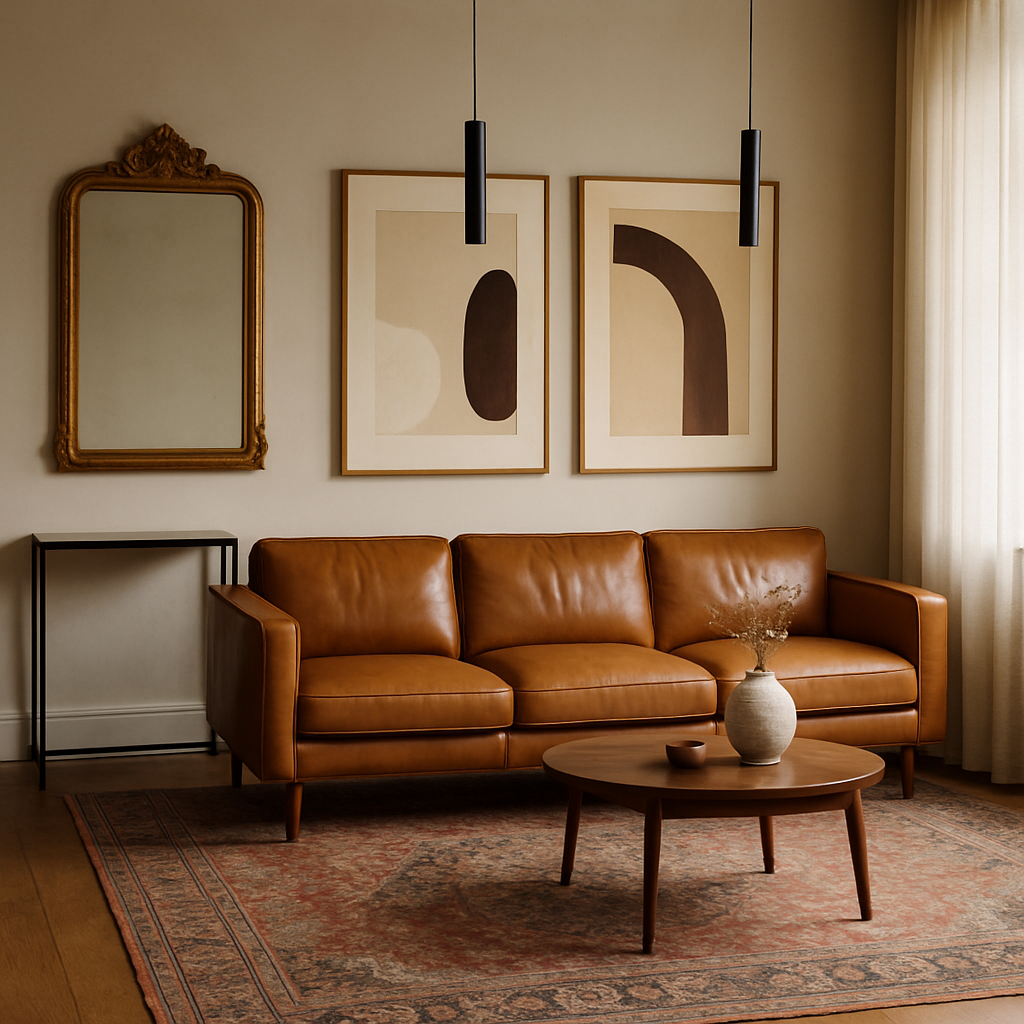

Creating a timeless home decor involves more than just following the latest trends. It’s about crafting a space that feels both personal and enduring. One effective way to achieve this is by combining different interior design styles.
Mixing modern and traditional elements can add depth and character to your home. By incorporating vintage pieces into a contemporary setting, or vice versa, you can create a unique aesthetic that reflects your personality.
This approach not only allows for greater creativity but also ensures that your home remains stylish over time. By blending old and new interior design elements thoughtfully, you can achieve a look that is both cohesive and captivating.
Key Takeaways
- Combining different design styles creates a unique and timeless look.
- Incorporating vintage pieces into modern settings adds character.
- A thoughtful blend of old and new ensures a stylish and enduring home.
- Mixing modern and traditional elements allows for greater creativity.
- A cohesive aesthetic reflects your personal style.
The Art of Mixing Design Eras
Creating a timeless interior involves more than just combining old and new; it’s about crafting a narrative through design. This narrative is woven together by carefully selecting and blending elements from different design eras, resulting in a space that is both unique and captivating.
Why Blending Styles Creates Depth and Character
Blending different styles adds depth and character to a space, making it more interesting and personalized. When done correctly, it creates a layered look that tells a story. For instance, pairing antique furniture with modern decor can add a touch of elegance and sophistication. A well-curated mix of old and new pieces can evoke a sense of history and culture, making the space feel more welcoming and authentic.
| Design Era | Characteristics | Example Pieces |
|---|---|---|
| Mid-Century Modern | Clean lines, organic shapes, functional | Eames Lounge Chair, Noguchi Coffee Table |
| Victorian | Ornate details, rich colors, luxurious fabrics | Tufted Velvet Sofa, Carved Wooden Armchair |
The Psychology Behind Timeless Interiors
The psychology behind timeless interiors lies in their ability to evoke emotions and create a sense of warmth and comfort. Certain design elements, such as natural materials and classic patterns, can trigger positive emotional responses, making a space feel more inviting. Moreover, a well-balanced mix of old and new elements can create a sense of continuity and harmony, contributing to the timeless appeal of the interior.

By understanding the art of mixing design eras and the psychology behind timeless interiors, homeowners can create spaces that are not only beautiful but also emotionally resonant.
Core Principles to Successfully Blend Old and New Interior Design
Successfully blending different design eras is about finding a balance that creates visual harmony and reflects personal style. When done correctly, mixing old and new interior design elements can result in a space that feels both timeless and uniquely personal.
Finding Balance Between Contrasting Elements
To effectively blend old and new styles, it’s crucial to strike a balance between contrasting elements. This can be achieved by distributing visual weight evenly throughout the space. For instance, pairing a bold, modern sofa with an antique armchair can create an interesting contrast. The key is to ensure that neither piece overwhelms the other, creating a harmonious and engaging environment.

Creating Visual Harmony Through Color and Texture
Color and texture play significant roles in unifying disparate design elements. A cohesive color palette can tie together old and new pieces, while varied textures add depth and interest. For example, combining the smooth surface of modern furniture with the intricate patterns of antique textiles can create a rich and inviting atmosphere. This approach answers the question, “can you mix traditional and modern styles in one room?” with a resounding yes, by showing how different elements can work together in harmony.
The 80/20 Rule for Style Mixing
The 80/20 rule is a useful guideline for mixing styles, suggesting that 80% of the room should be a dominant style, while 20% can be an accent style. This rule helps prevent the space from feeling cluttered or disjointed. For instance, in a predominantly modern room, adding antique pieces as accents can introduce character and personality without overwhelming the space. This is one of the best ways to mix old and new in home design, creating a unique and captivating interior.
Case Study: Victorian Home with Modern Minimalist Touches
In a striking example of interior design innovation, a Victorian-era home was transformed with modern minimalist elements. This case study explores the challenges faced, the design decisions made, and the final transformation results.
The Original Space and Design Challenges
The original Victorian home was rich in character but lacked the modern amenities and open spaces the homeowners desired.
Structural Limitations and Opportunities
The home’s original structure presented both challenges and opportunities. While the intricate moldings and hardwood floors were preserved, the layout was adapted to create a more open and airy feel.
Client’s Vision and Requirements
The clients sought a blend of their Victorian home’s historic charm with modern minimalist aesthetics, requiring a thoughtful integration of old and new elements.
Integration Strategy and Key Design Decisions
The design strategy involved selecting key Victorian features to retain, such as ornate ceilings and wooden floors, and combining them with modern minimalist furniture and decor. The color palette was simplified to create a cohesive look, and modern lighting fixtures were added to enhance the space.
| Design Element | Original Feature | Modern Addition |
|---|---|---|
| Flooring | Hardwood floors | Modern rugs |
| Lighting | Candelabras | LED lighting |
| Furniture | Ornate Victorian pieces | Minimalist sofas and chairs |

Before and After Transformation Results
The transformation was remarkable, turning a historically rich but somewhat dark and cluttered space into a bright, modern home with vintage touches. The blend of styles resulted in a unique and timeless interior design that satisfied the clients’ desire for both character and contemporary functionality.
Case Study: Mid-Century Modern Apartment with Antique Accents
This case study explores how antique accents were incorporated into a mid-century modern apartment to create a timeless look. The client’s goal was to blend the clean lines and minimalism of mid-century modern design with the character and warmth of antique pieces.
Client Goals and Space Assessment
The client, a young professional, wanted to update their mid-century modern apartment with unique, one-of-a-kind antique pieces. The initial space assessment revealed a sleek, minimalist layout that lacked personality. Our task was to identify areas where antique elements could be introduced to add depth and character.
Curating Vintage Pieces for a Modern Space
Curating the right vintage pieces was crucial to achieving a harmonious blend of styles. We focused on sourcing items that complemented the existing mid-century modern furniture.
Sourcing Process and Selection Criteria
We sourced vintage pieces from local antique shops and online marketplaces, selecting items based on their condition, rarity, and how well they fit with the client’s vision.
Restoration and Adaptation Techniques
Some antique pieces required restoration to fit seamlessly into the modern space. Techniques included reupholstering, refinishing, and adapting the pieces to be functional in a contemporary setting.
| Antique Piece | Restoration Technique | Result |
|---|---|---|
| Vintage Armchair | Reupholstering with modern fabric | Updated look, retained character |
| Antique Coffee Table | Refinishing to match modern wood tones | Seamless integration with modern furniture |
“The key to blending old and new is finding a balance between contrasting elements.”
Interior Design Expert
Final Design and Client Satisfaction
The final design successfully merged mid-century modern and antique elements, creating a unique and timeless space. The client was thrilled with the result, praising the blend of styles for adding warmth and character to their apartment.

The transformation was not just aesthetic; it also reflected the client’s personality and style, making the space truly their own.
Furniture Pairing: How to Mix Antique and Contemporary Pieces
To achieve a harmonious blend of styles, it’s essential to understand how to pair antique and modern furniture effectively. Mixing antique and contemporary pieces can add depth and character to any room, creating a unique and captivating interior space.
Identifying Statement Pieces vs. Supporting Elements
When combining antique and contemporary furniture, it’s crucial to identify statement pieces that draw attention and supporting elements that complement them. Statement pieces are typically bold, eye-catching items like a vintage armchair or a modern sofa with a unique design. Supporting elements, on the other hand, are more subdued and help to balance the overall aesthetic.
Scale and Proportion Considerations
Ensuring that furniture pieces are proportional to each other and the room is vital. A large antique piece can be balanced by a smaller contemporary item, creating a sense of harmony. Use a scale and proportion chart to visualize how different pieces will work together.
| Furniture Piece | Style | Scale |
|---|---|---|
| Antique Armchair | Traditional | Large |
| Modern Coffee Table | Contemporary | Small |
| Vintage Sofa | Classic | Medium |
Creating Conversation Areas with Mixed Styles
To create inviting conversation areas, mix antique and contemporary pieces thoughtfully. For example, pair a vintage sofa with modern accent chairs and a contemporary coffee table. This blend of styles can foster a warm and engaging atmosphere.

By understanding how to balance antique and contemporary furniture, you can create a unique and timeless interior design that reflects your personal style.
Color Strategies for Unifying Traditional and Modern Designs
When mixing traditional and modern styles, a well-planned color strategy is essential. A harmonious color palette can bridge the gap between different design eras, creating a timeless look that feels both curated and cohesive.
Creating a Cohesive Color Palette
A cohesive color palette is the foundation of a well-designed space. To achieve this, start by selecting a dominant color that ties together your traditional and modern elements. Use a color wheel to identify complementary colors that enhance your dominant hue. For a timeless home decor, consider neutrals like beige, gray, or taupe as your base, and then add pops of color through furniture, artwork, or accessories.
| Color Element | Traditional Use | Modern Use |
|---|---|---|
| Dominant Color | Rich wood tones | Monochromatic schemes |
| Accent Color | Vibrant patterns | Bold geometric shapes |
| Background | Warm neutrals | Cool whites |
Using Color to Highlight or Downplay Style Elements
Color can be used strategically to draw attention to or away from specific design elements. For instance, if you have a stunning antique piece, use a bold color to make it a focal point. Conversely, if there’s a modern element that clashes with the traditional style, use a more subdued color to blend it into the background. This technique helps create a balanced look that feels intentional and harmonious.
Textiles and Materials: Bridging the Gap Between Eras
Textiles and materials are the unsung heroes of interior design, capable of bridging the gap between contrasting styles. By thoughtfully combining different textures, patterns, and materials, you can create a harmonious and visually appealing space.
Mixing Fabric Textures and Patterns
When it comes to mixing fabric textures and patterns, the key is to strike a balance between contrasting elements. For instance, pairing smooth velvet with rough linen can add depth to a room. Similarly, combining bold patterns with subtle textures can create a visually interesting space. As design expert, Emily Henderson notes, “Mixing patterns is all about finding a common thread, whether it’s a color or a texture.”
Contrasting and Complementary Material Selections
Contrasting and complementary material selections can make or break the cohesion of a room. For example, pairing metallic accents with natural wood tones can create a striking contrast. On the other hand, using complementary materials like glass and chrome can add a sense of continuity. As interior design principles suggest, the thoughtful combination of materials can elevate the overall aesthetic of a space.
To achieve a timeless look, consider the 80/20 rule: 80% of the room should feature a dominant style, while 20% can be dedicated to accent pieces from another era. By doing so, you’ll be able to successfully blend old and new interior design styles, creating a unique and captivating space.
“The right textiles and materials can transform a room, making it feel both modern and timeless.” –
Interior Designer
Practical Tips to Blend Old and New Interior Design Elements
Mixing old and new design elements can add depth and character to your home, but it requires some practical know-how. By applying a few simple principles, you can create a harmonious and timeless space that reflects your personal style.
Room-by-Room Approach to Style Mixing
When blending old and new interior design elements, it’s helpful to tackle the task room by room. This approach allows you to focus on the unique characteristics of each space and make intentional design decisions.
Living Spaces and Common Areas
In living areas, consider combining a vintage sofa with a modern coffee table or pairing antique lamps with contemporary furniture. This mix of styles can create a visually interesting and dynamic space.
Private Spaces and Bedrooms
In bedrooms, you can achieve a serene and timeless atmosphere by pairing vintage bedding with modern lighting fixtures or incorporating antique furniture pieces alongside contemporary decor.
Budget-Friendly Ways to Achieve a Timeless Look
Achieving a timeless look doesn’t have to break the bank. Consider repurposing or refinishing existing furniture, shopping for second-hand or vintage pieces, or using cost-effective decorative elements like throw pillows and rugs to add style and texture to your space.
Lighting Solutions for Mixed-Style Interiors
Lighting can make or break the harmony of a mixed-style interior, serving as a bridge between disparate design elements. When blending antique furniture with modern design, the right lighting can create a cohesive and inviting atmosphere.
Effective lighting solutions involve more than just selecting the right fixtures; they require a thoughtful approach to layering different light sources and styles.
Statement Lighting as Focal Points
Statement lighting fixtures can serve as focal points in a mixed-style interior, drawing attention to specific design elements or areas of the room. For instance, a vintage chandelier can add a touch of elegance to a modern minimalist space, while a sleek contemporary pendant light can update a traditional setting.
- Choose fixtures that complement the room’s overall aesthetic.
- Consider the scale and proportion of the lighting fixture in relation to the room and its furniture.
- Use statement lighting to highlight architectural features or unique design elements.
Layering Light Sources Across Different Eras
Layering light sources is crucial for creating depth and visual interest in a mixed-style interior. This can be achieved by combining different types of lighting, such as ambient, task, and accent lighting, across various eras. For example, pairing a modern floor lamp with antique sconces can add layers of light and style to a room.
To successfully layer light sources, consider the following:
- Start with ambient lighting to set the overall mood of the room.
- Add task lighting to illuminate specific areas or tasks.
- Use accent lighting to highlight decorative pieces or architectural features.
By thoughtfully selecting and layering lighting fixtures from different eras, you can create a harmonious and inviting mixed-style interior that showcases your unique design sensibility.
Common Mistakes to Avoid When Mixing Design Styles
Mixing modern and traditional interior design elements can be challenging, but avoiding common pitfalls is key to achieving a timeless look. When done correctly, blending different styles can result in a unique and captivating space that reflects your personality. However, there are several mistakes to watch out for.
Overloading the Space with Too Many Statement Pieces
One of the most common mistakes is overloading your space with too many statement pieces. This can lead to visual clutter and make the room feel chaotic. Instead, choose a few key pieces that you love and balance them with more understated elements.
Failing to Create a Unified Theme
Another mistake is failing to create a unified theme. Without a cohesive vision, your space can feel disjointed and lacking in harmony. To avoid this, select a unifying color palette or texture that ties together different design elements.
Ignoring the Architecture of the Space
Ignoring the architecture of your space is also a common mistake. The architectural style of your home should influence your design choices. For example, a modern apartment might not be the best fit for overly ornate traditional pieces. Be mindful of the space’s inherent style and let it guide your decisions.
By being aware of these common mistakes, you can more effectively mix design styles to create a timeless home decor that is both beautiful and functional.
Conclusion
Blending old and new interior design styles is an art that requires balance, creativity, and a deep understanding of the elements that make a space truly special. By combining vintage pieces with modern elements, you can create a unique and timeless look that reflects your personality and style.
To style a modern home with vintage touches, start by identifying statement pieces that can be the focal point of a room. Then, balance these elements with modern furniture and decor to create a harmonious and visually appealing space. The key is to blend styles in a way that feels intentional and curated.
By applying the principles outlined in this article, you can successfully blend old and new interior design elements to achieve a look that is both elegant and enduring. So, don’t be afraid to experiment and make mistakes – it’s all part of the process of creating a space that truly feels like home.
FAQ
How do I blend antique furniture with modern design?
To blend antique furniture with modern design, start by identifying statement pieces that can be the focal point of the room. Balance these pieces with modern elements, and use a unifying color palette to tie everything together. Consider the scale and proportion of the antique pieces in relation to the modern furniture to create a harmonious blend.
Can I mix traditional and modern styles in one room?
Yes, you can mix traditional and modern styles in one room. The key is to find a balance between the two styles and create a cohesive look. Use a neutral color palette, and select a few statement pieces from each style to blend together. Consider the 80/20 rule, where 80% of the room is one style, and 20% is the other.
What are some tips for creating timeless home decor?
To create timeless home decor, focus on using high-quality, classic pieces that won’t go out of style quickly. Invest in a few statement pieces, and balance them with more neutral elements. Use a timeless color palette, and avoid trendy patterns and designs. Consider incorporating natural materials, such as wood and stone, to add warmth and depth to the space.
How do I style a modern home with vintage touches?
To style a modern home with vintage touches, start by selecting a few vintage pieces that complement the modern design. Use vintage items as statement pieces or accent decor, and balance them with modern elements. Consider restoring or repurposing vintage items to give them a new life and make them more functional.
What are the best ways to mix old and new in home design?
The best ways to mix old and new in home design involve finding a balance between contrasting elements, creating visual harmony through color and texture, and using the 80/20 rule. Consider incorporating antique or vintage pieces into a modern space, or adding modern elements to a traditional room. Use a unifying color palette and texture to tie everything together.
How can I create a cohesive look when mixing different design styles?
To create a cohesive look when mixing different design styles, focus on using a unifying color palette, texture, and scale. Select a few statement pieces from each style, and balance them with more neutral elements. Consider the architecture of the space and the client’s vision to create a harmonious blend of different design styles.


