

Hello everyone, welcome back! Today, we’re going to explore some interior design rules you should never break. These are specific guidelines, including design measurements, proportions, and placement ideas, that will help you create a picture-perfect space every single time. The best part? These tips work for any style of home, whether modern, traditional, minimalist, or eclectic. If you’re looking to elevate the look of your home, this guide is perfect for you.
The Importance of Focal Points
Most of us have heard the term focal point in interior design, but it’s often misunderstood. A focal point is a spot in your room that naturally draws attention and anchors the space. Common examples include a fireplace in the living room or a statement range hood in the kitchen. Focal points help create intentionality in your design.
However, one common mistake is allowing all the attention to focus on a single area while the rest of your space feels empty or disconnected. To avoid this, it’s recommended to have one main focal point accompanied by two secondary focal points. Secondary focal points can be small vignettes or decorative moments around the room. For instance, if your fireplace is the primary focus, consider adding a large full-length mirror or a tall cabinet on the opposite side of the room. This balances the visual weight and creates multiple points of interest for the eye to explore.
These secondary focal points don’t have to be big or expensive. They can be a small gallery wall, an accent chair with a lamp, or even a decorative console table. The key is that your eyes can naturally move around the room, noticing both the main focal point and the supporting elements. This creates a sense of harmony and balance that makes your space feel thoughtfully designed.
Longevity: Timeless vs. Trendy
Whether you’re renovating or just decorating, it’s essential to design with longevity in mind. You want your home to feel fresh and stylish for years without frequent overhauls. A simple formula to follow is 80% timeless and 20% trendy.
Timeless pieces include sofas, beds, dining tables, cabinetry, and flooring—the items you don’t want to replace often. Trendy elements are smaller items like throw pillows, rugs, bedding, paint colors, or decorative accents. This mix allows you to have fun experimenting with color, pattern, and seasonal trends without committing to something that will look outdated quickly.
For example, your sofa should be a timeless shape, but the fabric or slipcover could reflect a current trend. This way, you can refresh your home easily without replacing major pieces. Following the 80/20 rule ensures your home maintains a balanced, enduring style while still feeling fresh and dynamic.
Mastering Pattern Pairing
Patterns are everywhere in interior design right now, and mixing them can elevate a room—but only if done correctly. A simple pattern pairing recipe works best:
- One solid fabric
- One geometric pattern
- One floral or abstract pattern
This works beautifully on smaller items like pillows but can also be applied to larger pieces. For example, a floral sofa can pair with a striped accent chair and solid throw pillows or a solid rug. You can even incorporate this with wall treatments. If you have stripes on the walls, adding an abstract or floral piece of furniture or a patterned rug can create contrast and visual interest.
The key is to always balance the patterns with a solid element. This approach works for all design scales, large or small, and ensures your space feels cohesive rather than chaotic.
Coffee Table Placement

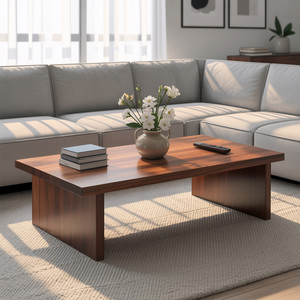
An often-overlooked detail in living rooms and family rooms is the distance between your sofa and coffee table. The perfect measurement is 18 inches.
This distance allows you to comfortably place drinks, walk around the table, and maintain the flow of the room. If the gap is larger than 18 inches, it may indicate that your sofa is pushed too far against the wall or that your coffee table is too small. Adjusting placement or scaling your furniture properly can help achieve the perfect balance. Styling your sofa and coffee table as a pair ensures the area is both functional and visually pleasing.
Breaking Up Sets
When shopping for home decor, it’s easy to be tempted by matching sets—furniture sets, wall art sets, bedding sets—but keeping them together often makes a space feel generic. It’s better to break sets up intentionally.
For example:
- Use the quilt from a bedding set in one room, and the duvet in another.
- Separate pillow shams or decorative pieces and place them in different areas.
- Mix and match wall art frames to create a unique gallery wall.
Separating sets adds intentionality and makes your home feel curated, not cookie-cutter. It’s a simple way to create a space that is unique and personalized.
Wall Art Spacing

When arranging multiple pieces of wall art, spacing is critical. The ideal gap is 2–3 inches.
Any wider, and the pieces feel disconnected; any smaller, and the display feels cluttered. A useful tip is to use a strip of painter’s tape to measure once, then move it around as you hang your frames. This technique speeds up the process and ensures consistent spacing for a cohesive look.
Mixing Juxtapositions
One of the most effective design techniques is mixing opposites, or juxtapositions. This can include:
- Shiny vs. matte finishes
- Round vs. angular shapes
- Old vs. new pieces
This approach adds interest and balance to a space. For example:
- Pair a long rectangular dining table with round-backed chairs for contrast.
- Combine antique furniture with modern accents for depth and personality.
- Mix high-gloss surfaces with textured woods, honed stones, or matte metals to create a dynamic and balanced environment.
Layering Textures
Texture is a crucial element in interior design, especially if you’re aiming for a monochromatic or minimalist look. Every room should incorporate at least three textures:
- A soft element like linen or velvet
- A natural element such as wood or stone
- A metallic or hard finish like chrome or brass
For instance, pairing a linen sofa with a wooden coffee table and a metal accent lamp creates depth and visual interest. Textures prevent a space from looking flat and add layers of richness that make your home feel inviting and well thought out.
Conclusion
Designing a home that feels balanced, cohesive, and timeless doesn’t have to be complicated. By focusing on focal points, longevity, pattern pairing, proper spacing, breaking up sets, mixing juxtapositions, and layering textures, you can create a home that is both functional and visually stunning. These interior design rules may seem small, but when applied thoughtfully, they transform your space into a home that feels curated, stylish, and uniquely yours.


