
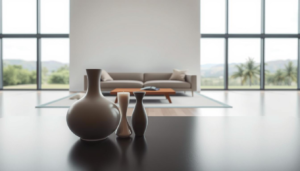
This rule helps create a balanced look. It suggests grouping items in sets of three, five, or seven. This makes a space feel friendly and stylish.
Experts on HGTV say the 3-5-7 rule makes a room feel welcoming. Using odd numbers draws the eye and adds energy to a space.
Key Takeaways
- The 3-5-7 rule in decorating groups items in odd numbers.
- Sets of three, five, or seven bring a natural sense of harmony.
- Odd counts spark visual energy in different parts of a room.
- Every style benefits from this balanced rule.
- It works with furniture, art, and numerous home accents.
- Mixing sizes and shapes highlights the room’s character.
Why Proportions Matter in Home Design
Designing a room with balanced shapes and sizes makes every piece look intentional. Walls, floors, and ceilings set the basic framework. Each dimension affects how a space feels. A big seating area can take over, while small furniture can make a room look unfinished.
Experts at places like IKEA say scale and spacing are key for flow. They suggest measuring furniture to fit door openings or windows. This avoids a cramped look. Choosing accessories that don’t overwhelm is also important.

The 3-5-7 rule helps keep things balanced, ensuring no single item dominates. A well-proportioned area feels welcoming, letting your style show. Placing elements thoughtfully makes the room inviting for everyday use or gatherings.
Breaking Down the Visual Rhythm
Visual rhythm in a room comes from patterns, shapes, and colors. It guides the eye smoothly, linking everything together. A well-arranged space makes transitions smooth and looks balanced.

Defining harmony in interior design
Harmony happens when furniture, accents, and textures match. They blend in a way that feels orderly. Brands like Sherwin-Williams help with colors that work well together, creating a cohesive look.
Common mistakes to avoid with proportions
Too many big items in one spot can mess up the rhythm. Not considering the size of small pieces can make a room feel cramped. Remember the 3-5-7 rule to keep things balanced and calm.
Understanding the 3-5-7 Rule in Decorating
The 3-5-7 rule is about grouping items in odd numbers. This makes any space balanced and interesting. It’s a simple rule that beginners find helpful.

Three items make a clear focal point. Five or seven add more variety. This rule works for many decorating styles.
It’s great for using items you already have. Mix different shapes and textures for a nice look. Remember, aim for unity, not clutter.
| Number of Items | Design Effect |
|---|---|
| 3 | Quick visual harmony for smaller surfaces |
| 5 | Balanced variety that adds dimension |
| 7 | Creative arrangement with extra personality |
Choosing the Right Color Palette
Choosing the right colors makes a space feel welcoming. A thoughtful color choice boosts both comfort and style. It starts with picking a color palette that fits walls and accent pieces well.

Creating a color scheme that balances hues is simple with a plan. Bright colors add energy, while soft shades calm a room. Different color combinations show off each room’s unique character.
Pairing Warm and Cool Tones
Pair warm colors like reds or browns with cool tones like blues or grays. This mix creates a sense of unity that looks good. Adding soft touches, like throw pillows or light curtains, helps keep the harmony.
Creating Depth with Contrast
Using bold colors, like navy and ivory, makes details stand out. A single bold color can also brighten up a neutral background. Keeping the color palette consistent ties everything together.
| Color Pairing | Visual Impact |
|---|---|
| Beige & Gray | Balanced Serenity |
| Navy & Cream | Refined Contrast |
| Red & Teal | Vibrant Energy |
Maximizing Focus in a Room
Creating balance in any space can make your home feel better. A standout feature, like a bright painting or a new fireplace, should get noticed. Use light or bold colors to make it the main attraction without ignoring the rest of your design.
Interior design tips show how important it is to group accents. The 3-5-7 rule helps pick items around your main feature. Adding color and texture contrasts, guiding eyes to the centerpiece. Around it, choose subtle items to keep the room flowing and avoid feeling too busy.
Some people move furniture to face the main area. Others adjust the lighting to highlight it. A well-thought-out layout makes the room look better and keeps every corner connected.
| Accent Strategy | How It Helps |
|---|---|
| Lighting Contrast | Draws attention |
| Color Grouping | Enhances visual depth |
| Balanced Accessories | Maintains harmony |
Tips for Furniture Placement
Arranging furniture can make a room feel alive and clear in purpose. Thoughtful placement sets the mood and makes it easy for visitors to move around. Many homeowners use strategies to find a balance between comfort and style.
Start by looking at the space from different angles. This helps find the best paths for movement. In some homes, layouts from IKEA or Pottery Barn open up new ways to arrange seating for chats.
Finding the focal point
Choose a main feature, like a fireplace or big artwork, and place seating nearby. This feature ties the whole design together. Chairs or rugs around it draw the eye and start conversations.
Aligning shapes and silhouettes
Round tables add softness next to sleek sofas, meeting both needs. Mixing shapes keeps the space welcoming. Being flexible with the layout is key to strategies that grow with your needs.
Using Accessories Strategically
Accessories tell a story about your style. They add personality through color, texture, and placement. Group items in three, five, or seven to establish symmetry that draws the eye. This method enhances visual balance in a room and keeps every accent piece interesting.
Think about a bold rug from West Elm that complements subtle cushions. Vary heights and shapes to ensure each element stands out. Lamps, sculptures, and wall décor should fill the space without overshadowing each other. Spacing between objects allows them to shine on their own while maintaining a cohesive look.
Color is also key. Pick neutral accessories to soften a loud palette or use vibrant pieces to energize calm tones. This approach creates a unified atmosphere that promotes visual balance in a room while reflecting your personal flair.
| Accessory | Key Tip |
|---|---|
| Rugs | Create a focal point in seating areas |
| Lamps | Adjust height for playful lighting effects |
| Cushions | Mix textures to add depth |
Enhancing Lighting and Shadow
Light greatly affects a room, adding depth and highlighting important features. The right amount of light can make colors stand out or create a calm atmosphere. Every small change in light helps follow the 3-5-7 rule in decorating, giving each element its moment.
Placing windows and mirrors correctly can bring in more sunlight. Sheer curtains keep a room bright while still offering privacy. Adding bright spots in corners can make small areas feel larger and draw attention to your favorite decor.
Natural versus artificial light
Sunlight changes throughout the day, affecting how rooms look. Positioning plants or light-colored items where they catch sunlight is smart. For evening or dim settings, consider these options:
- Task lighting for reading and detail work
- Ambient lighting to soften the overall area
- Accent lighting that draws eyes to art or prized items
Layered lighting approach
A layered lighting plan combines different sources for a unified look. Table lamps, overhead lights, and wall sconces each add a unique glow. This careful layering shapes every detail, keeping the 3-5-7 rule in decorating effective by ensuring vibrant highlights and balanced shadows.
Balancing Textures and Patterns
Choosing the right mix of textures and patterns can make any room come alive. Think about using plush velvet pillows, raw wood surfaces, or abstract rugs. Place them carefully to make them work together as one piece in your decor.
A soft throw blanket paired with sleek metallic accents can make a room cozy yet elegant. Mixing different fabrics adds warmth and character. Staying with a consistent color scheme helps avoid clashing looks.
- Match subtle hues across fabrics to maintain flow.
- Combine edgy prints with gentle surfaces for balance.
- Introduce organic patterns that reflect nature’s calm.
Bolder textures like tufted headboards or shimmer curtains are best used sparingly. They add interest without making the room feel too busy. This keeps your space visually balanced and harmonious.
| Material | Patterns | Outcome |
|---|---|---|
| Linen | Simple stripes | Light and breezy |
| Leather | Bold geometrics | Modern flair |
| Woven fiber | Intricate weaves | Earthy charm |
Practical Examples for Every Space
Every room has the chance to show off stunning displays that are both balanced and fun. Try using odd groupings to add visual interest. This trick is perfect for beginners who want to make a quick style change.
Living Room Inspiration
Make a trio of items on your coffee table for a standout centerpiece. A scented candle, a small houseplant, and a stack of books from IKEA or Crate & Barrel work well together. Look for items of different heights and shapes to create a lively yet cohesive look.
Bedroom and Workspace Ideas
In your bedroom, group five items on your nightstand. A sleek lamp, a framed photo, and a compact jewelry tray, along with two decorative pieces, make a great set. Do the same at your desk. It adds style and keeps things organized, following decorating rules for beginners and adding your personal touch.
Conclusion
The 3-5-7 rule is like a guide for decorating. It makes sure each item stands out. By using odd numbers, you draw attention to important pieces.
This rule helps balance things like size, color, and furniture. It’s perfect for any space, big or small. It adds harmony without losing your personal touch.
Using these rules, you can create spaces that are both fresh and inviting. Odd numbers keep things interesting. They highlight textures, shapes, and colors.
These simple steps help make your home cozy, stylish, and unique. They encourage you to keep exploring and refining your style.


