
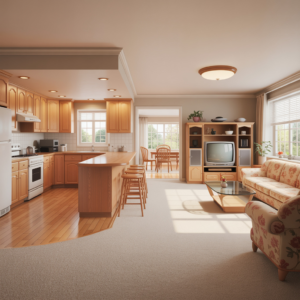
The open kitchen concept became popular in the 1990s. It’s known for its open layout. This design made homes feel bigger and looked modern.
But, the open kitchen trend is now fading. We’ll explore why and what’s replacing it. This change is reshaping the heart of our homes.
Key Takeaways
- The decline of open kitchens is driven by changing homeowner preferences.
- New kitchen design trends prioritize functionality and privacy.
- Emerging trends focus on sustainability and innovative storage solutions.
- Homeowners are seeking designs that enhance the cooking experience.
- The future of kitchen design is centered around personalized spaces.
The Rise and Fall of Open Kitchens
The open kitchen trend, once popular, is now losing favor. Homeowners are realizing its downsides, like noise, smells, and privacy issues.
The Post-1990s Kitchen Revolution
In the late 20th century, open kitchens became a hit in home design. They were seen as a way to make homes feel more open and social.
Social Interaction Benefits That Drove the Trend
Open kitchens made it easier for people to chat while cooking. “The open kitchen was about being together, sharing experiences,” a design expert notes.
How Open Kitchens Changed Home Design
Open kitchens led to big, open spaces that merged cooking, dining, and living. This trend removed walls between these areas.

Signs of the Open Concept Decline
Despite its fame, the open kitchen trend is fading. Homeowners want more private kitchen areas now.
Recent Design Survey Findings
Recent surveys show a move away from open concepts. Many homeowners prefer quieter, more functional kitchens.
Celebrity Designers Moving Away from Open Plans
Celebrity designers are also turning away from open plans. They say there’s a need for more defined spaces. “We’re seeing a return to more traditional kitchen designs,” a famous designer says.
Why Homeowners Loved Open Kitchens
Homeowners loved open kitchens for making their homes feel bigger. They also loved how it made cooking more enjoyable. This design trend was about creating a space that was both functional and social.
The Illusion of Spaciousness
Open kitchens became popular because they made homes seem larger. By removing walls, they opened up the space. This was especially good for smaller homes where space felt more important.

The Social Cooking Experience
The open kitchen changed cooking into a social activity. People could talk and laugh while meals were being made. It brought everyone closer together.
Family Connection Opportunities
Cooking became a time for families to bond. It allowed for conversations and connections that wouldn’t happen in a closed kitchen.
Entertaining While Cooking
Open kitchens also made hosting easier. Hosts could cook while still chatting with their guests. It made the whole experience more fun for everyone.
The Sensory Drawbacks: Noise and Odor Concerns
Homeowners are now looking at the downsides of open kitchens. These spaces were once loved for bringing people together and feeling open. But, they also have big problems with noise and smells.
When Cooking Sounds Dominate the Home
Cooking in open kitchens can be very loud. It’s not just loud noises here and there. It’s the constant sound of appliances and cooking.
Appliance Noise Pollution
Kitchens today have many appliances, like blenders and dishwashers. In an open kitchen, these sounds can really bother you. There’s no wall to block out the noise.
Conversation Interference
The sounds from cooking and appliances can make it hard to talk. It’s tough to chat or watch TV without yelling. This makes homes less fun, especially when you’re eating or having guests over.

The Persistent Problem of Food Odors
Open kitchens also have a big smell problem. Cooking smells can fill your whole house. They often stick around long after dinner is done.
Limited Ventilation Solutions
Range hoods and ventilation systems help with smells. But, they don’t always work, especially if your kitchen doesn’t have direct outside air. This means smells can stay in your house for a long time.
Lingering Smells in Connected Living Spaces
In open-plan homes, cooking smells can spread everywhere. This makes your whole house smell like last night’s dinner. It’s a big problem for people who like their homes to smell fresh.
The Privacy Problem: Kitchens Always on Display
The open kitchen concept was once seen as modern. Now, it raises big privacy worries for homeowners. The kitchen is the heart of the home, but without privacy, it can be a big issue. This is especially true when cooking and entertaining.
The Psychological Stress of Visible Messes
Visible kitchen messes can really stress out homeowners. Keeping the kitchen clean and tidy can feel like a huge task, especially with guests around. The feeling that the kitchen is always on show adds to this stress.
Entertaining Guests While Hiding Preparation Chaos
Hosting guests in an open kitchen can be tough. Homeowners worry about the mess they make while cooking. This worry can make it hard to enjoy social events.
The Pressure to Maintain Appearance
Keeping the kitchen looking neat is a big deal, especially when guests can see it. This pressure can cause stress and anxiety. It makes it hard to relax and have fun with family and friends.
Dinner Party Anxiety
Dinner parties can be stressful in open kitchens. Homeowners worry about the mess they make while cooking. The pressure to have a perfect dining experience adds to this anxiety.

Energy Efficiency Challenges in Open Floor Plans
The trend towards closed kitchens is growing. This is because open kitchen plans are not very energy efficient. Homeowners are now seeing the downsides of open kitchens.

Temperature Regulation Issues
Open kitchen plans make it hard to control the temperature. Heating and cooling systems have to work extra hard. This is because there are no clear spaces to keep warm or cool.
Heating and Cooling Inefficiencies
Open kitchen plans can make your energy bills go up. Without clear areas, conditioned air can leak out. This wastes energy and increases your bills.
Seasonal Comfort Challenges
Seasonal changes make temperature control in open floor plans even harder. In summer, kitchens get very hot from cooking. In winter, it’s hard to keep them warm.
The Hidden Utility Costs
Open floor plans have hidden costs. These costs come from their energy inefficiencies. Homeowners might not see these costs right away, but they add up over time.
Long-term Financial Impact
The financial impact of energy inefficiencies in open floor plans is big. As energy prices go up, so will the cost of keeping an open floor plan.
Environmental Considerations
There’s also an environmental cost. Energy inefficiency means a bigger carbon footprint. This is a worry for homeowners who care about the planet.
How Remote Work Changed Kitchen Design Priorities
More people working from home has changed kitchen design trends for 2025. Now, kitchens focus on being quiet and doing many things. Homeowners need private spaces to work well from home.
Acoustic Separation Needs
Video calls and needing focus have made kitchens quieter. Homeowners want to cut down on distractions. They aim to create quiet areas in their homes.
Video Call Complications
Video calls are tough when working from home, especially in open kitchens. To solve this, soundproofing and smart layouts are key. They help reduce background noise and distractions.
Focus and Productivity Concerns
Homeowners need quiet, dedicated workspaces to stay productive. Kitchen designs now include these quiet areas. They help with focus and work efficiency.
Balancing Shared Spaces
Kitchen design now balances shared and private areas. Homeowners want spaces that meet family needs and support work. This balance is crucial in the work-from-home era.
Multifunctional Space Requirements
Multifunctional spaces are key in kitchen design today. They must adapt to various activities. This includes work and family time.
Family Dynamics in Shared Workspaces
Family needs shape kitchen design. Homeowners aim to create spaces for everyone. This includes kids doing homework and adults working from home.

The Aesthetic Evolution: Return to Defined Spaces
Homeowners are moving away from open kitchens and towards defined spaces. They want their homes to feel cozy and traditional. This change makes homes both functional and beautiful.
The Cozy Appeal of Separate Rooms
Separate rooms bring a cozy feel that open kitchens can’t match. They create warmth and intimacy. Kitchens, in particular, become a cozy place for cooking and meal prep.
Creating Architectural Interest Through Room Definition
Defining rooms adds architectural interest to a home. Homeowners use different design elements to add depth and character. This makes a home feel lively and engaging.
Wall Treatments and Visual Boundaries
Wall treatments and visual boundaries are key in defining rooms. Using different paint colors, adding molding, or built-in shelving helps. Designer Kelly Wearstler says, “Different materials and textures boost a room’s visual appeal.”
“The home should be a sanctuary, a place where one can retreat from the world outside.”
The Psychology of Defined Spaces
Defined spaces have a psychological benefit. They offer comfort and security, making a home a retreat. Creating distinct areas promotes well-being and relaxation.

Popular Alternatives to Open Kitchens
Homeowners are now looking for new kitchen designs. They want spaces that are private and functional. They want kitchens that look good and are also practical and comfy.
Closed and Semi-Closed Kitchen Designs
Closed and semi-closed kitchens are becoming more popular. People want defined spaces in their homes. These designs improve functionality and privacy.
Modern Interpretations of Traditional Layouts
Modern kitchens are now blending classic and new designs. They keep the charm of separate rooms but with a modern twist.
Partial Walls and Strategic Dividers
Partial walls and dividers help separate the kitchen from other areas. They keep the kitchen open while adding privacy.
Broken-Plan Layouts: The Perfect Middle Ground
Broken-plan layouts are a mix of open and closed kitchens. They offer a balance of openness and defined spaces. This design is gaining popularity.
Using Furniture as Room Dividers
Furniture can act as dividers. It creates separation between areas without blocking the open feel.
Half Walls and Glass Partitions
Half walls and glass partitions offer separation. They let in natural light and keep spaces connected visually.
Hidden Prep Areas and Butler’s Pantries
Hidden prep areas and butler’s pantries are in demand. They provide private and functional kitchen spaces.
The Return of the Scullery

The scullery is back in kitchen design. It’s a traditional element for messy tasks, keeping the main kitchen clean.
Concealed Workspaces for Messy Tasks
Concealed workspaces hide messy tasks. They keep the kitchen clean and organized.
Multi-Functional Kitchen Zones: The New Design Approach
A new trend is rising in kitchen design: multi-functional zones. These zones meet different needs by creating separate areas for various activities. This makes the kitchen more functional and efficient.
Creating Distinct Activity Areas
Homeowners are now setting up different zones for different tasks. This improves the kitchen’s flow and reduces clutter. It also makes cooking more enjoyable.
Cooking Zones vs. Social Zones
It’s becoming common to separate cooking and social areas. This setup helps cooks focus while keeping a space for guests to hang out.
Storage and Preparation Separation
Storage and prep areas are now separate. This makes cooking smoother and keeps the kitchen tidy.
Flexible Dividers and Movable Partitions
Designers use flexible dividers and movable partitions for these zones. They let homeowners easily change the kitchen’s layout.
Sliding Door Systems
Sliding doors are great for dividing spaces without changing the kitchen’s look. They’re flexible and keep the kitchen feeling open.
Adjustable Solutions for Changing Needs
Adjustable partitions and dividers let homeowners change their kitchen as they go. This meets their evolving needs and tastes.
The Return of Traditional and Cottage-Core Kitchen Designs
In 2025, kitchen designs are leaning towards traditional and cozy styles. People want warm, inviting kitchens that show off classic charm. This shift is away from the open kitchen trend.
Heritage-Inspired Kitchen Elements Making a Comeback
Traditional kitchen elements are back in style. Homeowners are adding pantry cabinets and hutches to their kitchens. These features offer lots of storage and a nostalgic feel.
Pantry Cabinets and Hutches
Pantry cabinets and hutches now have modern finishes. They fit well with today’s kitchen designs. These elements add warmth and character, unlike some modern kitchens.
Traditional Layouts with Modern Functionality
Traditional kitchen layouts are getting a modern twist. This mix of old and new is appealing. It lets homeowners enjoy both traditional charm and modern convenience.
Cottage-Core Aesthetics in Contemporary Homes
Cottage-core style is becoming popular in modern homes. It focuses on creating cozy cooking spaces. Warm materials and textures make kitchens feel welcoming.
Warm Materials and Textures
Using wood, stone, and brick makes kitchens cozy. Vintage rugs and comfy seating areas add to the cottage-core vibe. This makes kitchens great for gathering.
Creating Intimate Cooking Spaces
By combining traditional and modern elements, kitchens become cozy yet sophisticated. This design is perfect for those who prefer “closed kitchens vs open kitchens.” It offers a personal and secluded cooking area.
Practical Considerations for Kitchen Remodeling
When homeowners plan to remodel their kitchens, they focus on what’s practical. Remodeling a kitchen is more than just a new look. It’s about making a space that works well for your family.
Evaluating Your Space and Lifestyle Needs
Before you start, think about your kitchen’s layout and storage. Consider how you use your kitchen. “A good kitchen is about function and flow, not just looks,” says a top kitchen designer.
Budget-Friendly Ways to Modify Existing Open Kitchens
If you want to change your open kitchen without spending a lot, there are ways. You can try:
Temporary and Removable Solutions
Use curtains or dividers to split the kitchen area temporarily.
Phased Renovation Approaches
Working with Designers and Contractors
Getting help from experts is crucial for a great kitchen remodel. You need designers and contractors who know the latest trends and can talk clearly with you.
Finding Professionals Who Understand Current Trends
Look for people with kitchen remodeling experience. Make sure their style matches what you want.
Communication Tips for Successful Projects
Good communication is key. Make sure you and your contractors agree on the project’s details, timeline, and budget.
Conclusion: Balancing Function, Style, and Personal Preference
Homeowners are now looking for kitchen designs that mix function, style, and personal taste. They want to move away from open kitchens for better energy use, privacy, and looks. They’re choosing closed or semi-closed kitchens, broken-plan layouts, or multi-functional zones.
Looking at 2025 kitchen design trends helps homeowners make their kitchens both useful and lovely. Trends highlight the need for clear spaces, a cozy feel, and interesting architecture. The kitchen, being the home’s heart, must be designed perfectly, blending beauty and utility.
The perfect kitchen design should match the homeowner’s lifestyle and taste. By trying out various designs and focusing on energy efficiency and looks, homeowners can achieve a kitchen that’s both practical and stylish.


