
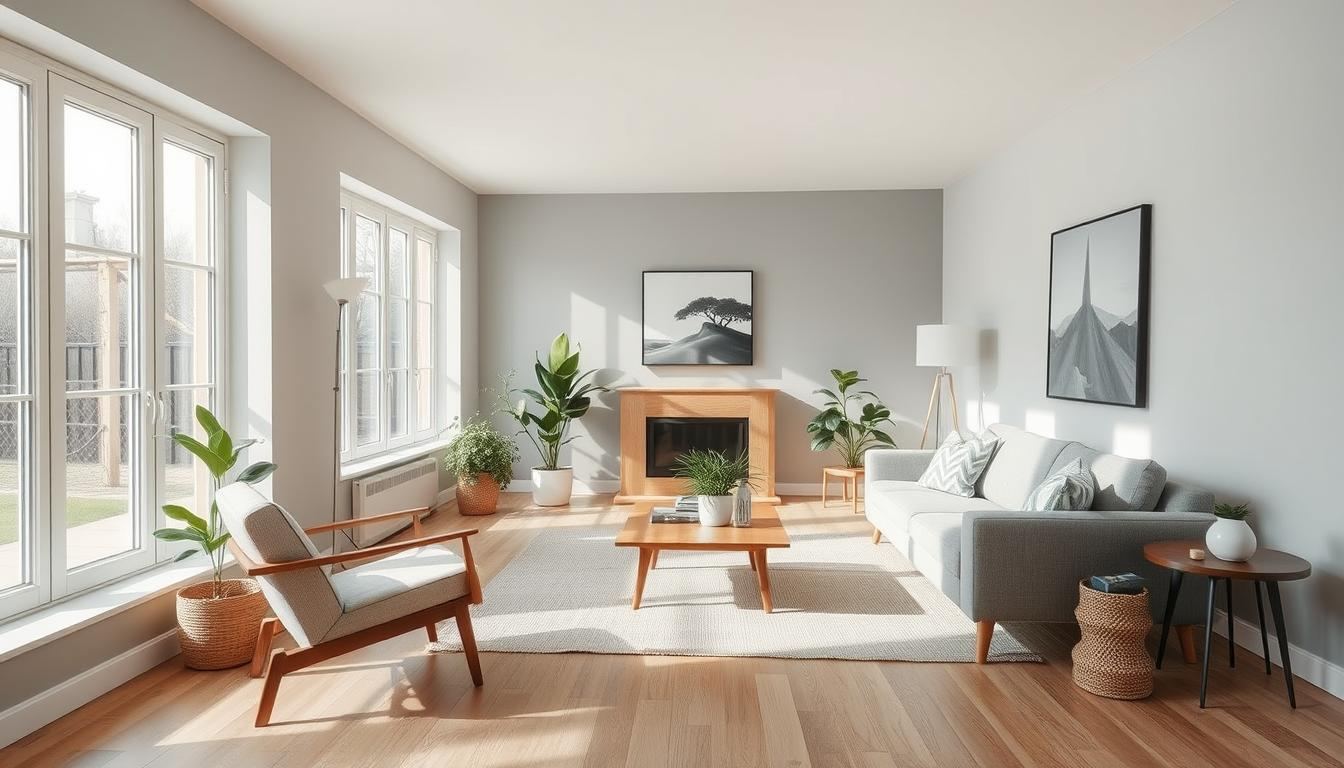
Creating a stylish and functional living space doesn’t have to break the bank. With a few simple and affordable modern interior design tips, non-designers can transform their homes into comfortable and efficient environments.
Modern interior design is not just about aesthetics; it’s also about creating a space that is both comfortable and functional. By incorporating a few key elements, such as clean lines, minimal decor, and multi-functional furniture, you can achieve a beautiful and practical living space.
Whether you’re looking to update a single room or your entire home, our guide provides you with the tools and inspiration you need to get started. With these affordable tips, you can create a modern interior design that reflects your personal style without sacrificing comfort or functionality.
Understanding Modern Interior Design Fundamentals
Understanding the basics of modern interior design can transform your living space into a haven of comfort and style. Modern interior design is characterized by its emphasis on simplicity, clean lines, and functionality. It’s about creating a space that feels open and airy.

The core principles of modern interior design include the use of neutral color palettes, minimal ornamentation, and an emphasis on horizontal and vertical lines. This design approach not only creates a visually appealing space but also promotes a sense of calm and serenity.
Historical Context of Modern Design
Modern interior design has its roots in the early 20th century, influenced by various design movements such as Bauhaus and Mid-Century Modern. These styles introduced the concept of functional design, where form and function are equally important. Over time, modern design has evolved, incorporating new materials and technologies.
Today, modern interior design continues to adapt, incorporating elements of sustainability and technology. Easy modern interior design updates can be achieved by incorporating natural materials, updating lighting fixtures, and using smart home technology. By understanding these fundamentals, you can create a modern interior that is both stylish and functional.
Essential Modern Interior Design Tips for Beginners
You don’t have to be a designer to create a modern, stylish home. With a few simple tips, you can transform your living space into a haven that reflects contemporary style.
One of the foundational elements of modern interior design is simplicity. Avoid clutter and focus on clean lines and minimal ornamentation. This approach not only creates a visually appealing space but also makes maintenance easier.
Color Psychology in Modern Spaces
Color plays a crucial role in setting the mood and functionality of a room. In modern interior design, understanding color psychology can help you choose a palette that is both stylish and functional.
Different colors evoke different emotions. For instance, blue is often associated with calmness, while yellow can stimulate creativity. Neutral colors like white, gray, and beige are popular in modern design for their versatility and ability to complement a variety of decorating styles.

When selecting a color scheme, consider the purpose of the room and the mood you want to create. For a relaxing bedroom, softer tones might be appropriate, while a home office might benefit from more energizing colors.
By incorporating these modern interior design tips, including thoughtful use of color, you can create a space that is not only beautiful but also functional and budget-friendly.
Budget-Friendly Modern Design Strategies
Achieving a modern interior design doesn’t have to break the bank. With a few simple and budget-friendly strategies, you can give your home a modern makeover without overspending.
One of the easiest ways to update your space is by incorporating modern elements through DIY projects. These projects not only save you money but also allow you to personalize your space according to your taste.
DIY Projects for Modern Homes
DIY projects are an excellent way to add modern touches to your home. You can start with simple projects like painting old furniture, creating your own wall art, or making decorative items using recycled materials.
For instance, you can turn an old pallet into a modern coffee table or create a geometric wall hanging using wooden dowels and string. These projects are not only budget-friendly but also add a unique touch to your home.

Another strategy is to shop smart. Look for affordable modern furniture and decor at thrift stores, garage sales, or online marketplaces. You can also repurpose items you already have to fit your modern design theme.
By being creative and resourceful, you can achieve a modern interior design that is both stylish and budget-friendly.
Mastering the Art of Minimalism
Minimalism is more than just a design trend; it’s a lifestyle that can transform your living space into a serene oasis. By embracing minimalism, you’re not just simplifying your space; you’re enhancing its functionality and aesthetic appeal.
One of the core principles of minimalism is decluttering. Removing unnecessary items from your home not only reduces visual clutter but also makes maintenance easier. It’s about being intentional with the items you choose to keep and display.
Organizational Systems That Work
Effective organizational systems are crucial in minimalist design. This involves selecting multifunctional furniture that serves more than one purpose and implementing storage solutions that keep your belongings out of sight. By doing so, you maintain a clean and clutter-free environment.

Minimalism in modern interior design is not just about having less; it’s about making room for what truly matters. By focusing on the essentials and eliminating the unnecessary, you can create a space that is both beautiful and functional.
By mastering the art of minimalism, you’ll not only enhance the look of your home but also improve your quality of life by creating a more peaceful and organized living environment.
Modern Materials and Textures
Sustainable material choices are at the forefront of modern interior design, offering a blend of style, functionality, and environmental consciousness. As homeowners and designers alike look for ways to reduce their environmental footprint, the demand for eco-friendly materials has never been higher.

The use of modern materials such as reclaimed wood, bamboo, and low-VOC paints not only contributes to a healthier indoor environment but also adds a unique aesthetic to modern spaces. These materials can be combined with various textures to create visually appealing and sustainable interiors.
Sustainable Material Choices
When it comes to sustainable material choices, there are several options to consider. For instance, materials like recycled glass and sustainably sourced timber are not only eco-friendly but also offer a modern and sophisticated look. Incorporating these materials into your design can be done in various ways, from statement pieces to more subtle accents.
To achieve an affordable modern interior design, consider repurposing or upcycling existing materials. This approach not only reduces waste but also adds character to your space. Additionally, exploring local and seasonal materials can help minimize the carbon footprint associated with transportation.
Furniture Selection for Modern Spaces
When it comes to modern interior design, furniture selection plays a pivotal role in defining the space. The right furniture not only enhances the aesthetic appeal but also improves the functionality of a room.
Modern spaces require furniture that is both stylish and practical. With the increasing trend of urban living and smaller homes, the need for space-saving solutions has become more important than ever.
Multifunctional Furniture Ideas
One of the key strategies in modern furniture selection is opting for multifunctional pieces. These are items that serve more than one purpose, helping to maximize space and efficiency. Examples include sofa beds, storage ottomans, and coffee tables with storage.

Incorporating multifunctional furniture into your home not only declutters the space but also adds to its modern appeal. For instance, a storage bed can keep your bedroom tidy by storing clothes and bedding, while a nesting table can be used as needed and stored away when not in use.
By carefully selecting furniture that combines functionality with style, you can create a modern living space that is both beautiful and practical.
Lighting as a Design Element
The right lighting can dramatically change the feel of a room, turning it into a cozy retreat or a vibrant social hub. In modern interior design, lighting is not just about illumination; it’s a design element that can enhance the aesthetic of a space.

Lighting design involves choosing the right types of light fixtures and placements to create the desired ambiance and functionality. It can highlight architectural features, create focal points, and even influence the mood of the occupants.
Smart Lighting Solutions
Smart lighting solutions offer a modern approach to lighting design, providing flexibility, energy efficiency, and enhanced functionality. These systems can be controlled remotely, programmed to adjust based on the time of day, and even integrate with other smart home devices.
By incorporating smart lighting solutions, homeowners can not only save energy but also create a more comfortable and inviting living space. This aligns with modern interior design tips that emphasize both form and function.
Modern Interior Design Tips for Different Rooms
To achieve a modern aesthetic, it’s crucial to consider the specific design challenges and opportunities of each room in your home. Modern interior design isn’t a one-size-fits-all approach; different rooms have unique needs based on their function and the activities they host.
In the kitchen, modern design often incorporates sleek surfaces, minimalist cabinetry, and smart technology to create an efficient and stylish space. Consider affordable modern interior design tips like using laminate or quartz countertops and integrating LED lighting under cabinets for a contemporary look.
Living rooms benefit from room-specific design that focuses on comfort and conversation. Choose a statement piece, like a modern sofa or a bold piece of art, around which you can arrange other furniture. Don’t forget to incorporate plenty of lighting, using a mix of overhead lighting, table lamps, and floor lamps.

Bedrooms should be serene and relaxing, with modern interior design emphasizing clean lines, minimal clutter, and a calming color palette. Consider using smart home technology to control lighting and temperature, enhancing the room’s functionality and comfort.
Bathrooms, too, can benefit from modern design principles, such as the use of large tiles, floating vanities, and LED lighting to create a spa-like atmosphere. Affordable options include repainting existing tile or updating fixtures to give the space a fresh, modern feel.
By applying these room-specific design tips, you can create a cohesive and stylish modern interior throughout your home, regardless of your budget. The key is to focus on the unique characteristics and needs of each room, leveraging modern design principles to enhance both form and function.
Accessories and Art in Modern Design
Accessories and art are the finishing touches that can transform a house into a home with a modern twist. They add personality and style, making a space truly unique.
When it comes to modern interior design, the right accessories can make a significant impact. From vases and sculptures to wall art, these elements can enhance the aesthetic of a room. The key is to choose pieces that reflect your personal style and complement the overall design.

One of the most effective and easy modern interior design updates is incorporating plants into your decor. Plants not only purify the air but also add a touch of natural beauty to your space. Choose low-maintenance plants like succulents or air plants if you’re new to indoor gardening.
Plants can be used in various ways, from centerpieces on dining tables to hanging plants in living areas. They bring life and freshness to a room, making it feel more welcoming and modern.
In conclusion, accessories and art, including living elements like plants, play a crucial role in modern interior design. They allow you to express your personality and add a unique touch to your home. By thoughtfully selecting and placing these elements, you can achieve a cohesive and stylish modern interior that feels truly yours.
Incorporating Technology in Modern Interiors
As we continue to embrace the digital age, incorporating technology into our living spaces has become a crucial aspect of modern interior design. The latest smart home technologies are not only enhancing convenience and efficiency but are also becoming integral to the aesthetic appeal of our homes.
Smart lighting systems, voice-controlled assistants, and automated home security systems are just a few examples of how technology is being seamlessly integrated into modern interiors. These technologies not only make our lives easier but also contribute to the sleek, minimalist aesthetic that characterizes modern design.
Future-Proofing Your Design
When incorporating technology into your interior design, it’s essential to consider future-proofing. This means selecting systems and devices that are adaptable and can be easily updated as new technologies emerge. By doing so, you can ensure that your home remains modern and functional for years to come.
To future-proof your design, consider investing in modular smart home systems that allow for easy upgrades and expansions. Additionally, choosing devices from companies that have a history of providing regular software updates can help keep your home technologically current.
Conclusion: Bringing Your Modern Interior Vision to Life
Achieving a modern interior design is easier than you think. By applying the tips and strategies outlined in this article, you can create a stylish and functional space that reflects your personal style.
Start your design journey by incorporating affordable modern interior design tips into your daily routine. From mastering minimalism to selecting the right furniture, every decision you make brings you closer to your modern interior design goal.
With a clear understanding of modern interior design fundamentals, you can confidently create a space that is both beautiful and functional. So, take the first step today and start transforming your space into a modern oasis.


